Predictive Customer Analytics: Transforming Business Decisions with Data
In today’s data-driven world, businesses are constantly looking for smarter ways to understand their customers. Predictive customer analytics has emerged as a powerful solution, enabling companies to anticipate customer behavior, improve engagement, and drive growth. By leveraging advanced technologies such as artificial intelligence and machine learning, organizations can make proactive decisions rather than reactive ones.
This blog explores the importance, benefits, tools, and strategies behind predictive customer analytics, along with how businesses can implement it effectively.
What is Predictive Customer Analytics?
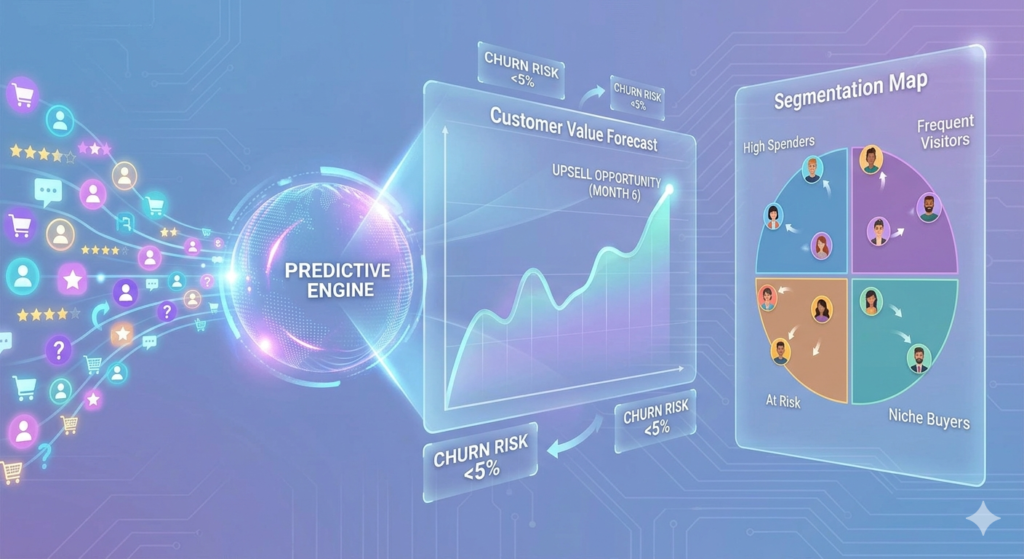
Predictive customer analytics refers to the use of historical customer data, statistical algorithms, and machine learning techniques to forecast future customer behavior. Instead of simply analyzing past interactions, businesses can predict what customers are likely to do next.
For example, predictive models can help answer questions like:
- Which customers are likely to churn?
- What products will a customer buy next?
- Which leads are most likely to convert?
By answering these questions, businesses can optimize their marketing strategies and improve customer experiences.
Why Predictive Customer Analytics Matters
Understanding customer intent has always been a challenge. However, predictive analytics bridges the gap between data and actionable insights.
1. Improved Customer Retention
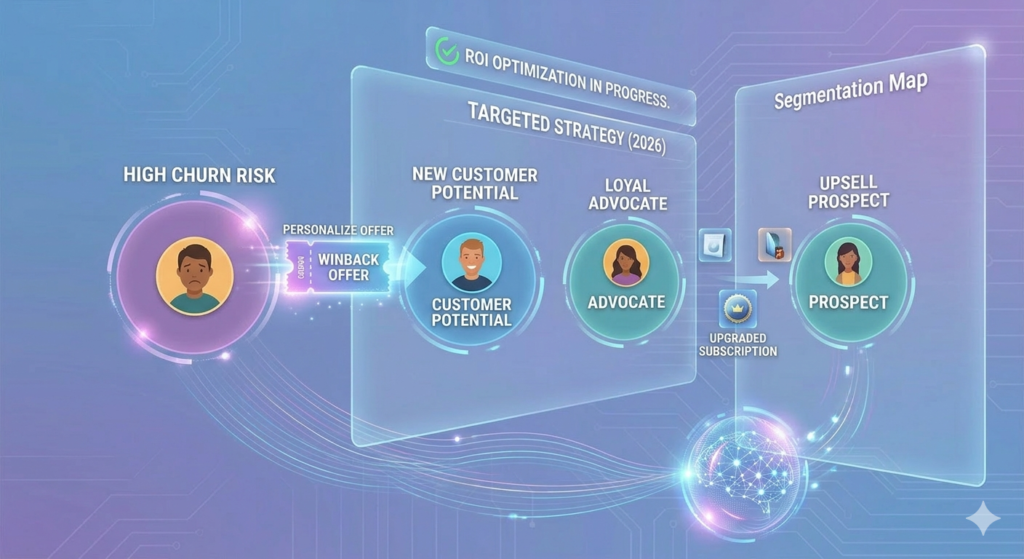
One of the biggest advantages of predictive customer analytics is identifying customers who are at risk of leaving. Businesses can take proactive steps such as offering discounts, personalized emails, or targeted support.
2. Enhanced Personalization
Customers expect personalized experiences. Predictive analytics helps companies deliver tailored recommendations, content, and offers based on individual preferences.
3. Better Decision-Making
Data-driven decisions are more accurate and reliable. Predictive analytics provides insights that help businesses allocate resources efficiently and reduce guesswork.
4. Increased Revenue
By targeting the right audience with the right message at the right time, businesses can significantly improve conversion rates and overall revenue.
How Predictive Customer Analytics Works
Data Collection
Businesses gather data from multiple sources such as:
- Website interactions
- Social media platforms
- CRM systems
- Purchase history
Data Processing
Raw data is cleaned, organized, and structured to ensure accuracy. This step is crucial for building reliable predictive models.
Predictive Modeling
Machine learning algorithms analyze patterns in the data to predict future outcomes. Common models include regression analysis, decision trees, and neural networks.
Insight Generation
The final step involves turning predictions into actionable insights. Businesses can use these insights to refine marketing strategies and improve customer experiences.
Key Techniques in Predictive Customer Analytics
Several techniques are commonly used in predictive analytics:
1. Customer Segmentation
Segmenting customers based on behavior, demographics, or preferences helps businesses target specific groups effectively.
2. Churn Prediction
Churn prediction models identify customers who are likely to stop using a product or service.
3. Recommendation Systems
These systems suggest products or services based on user behavior and preferences, similar to what you see on e-commerce platforms.
4. Lifetime Value Prediction
Predicting customer lifetime value (CLV) helps businesses focus on high-value customers and optimize marketing spend.
Benefits of Predictive Customer Analytics
Improved Marketing Efficiency
Predictive analytics automates data analysis, allowing marketers to focus on strategy and creativity.
Real-Time Insights
Businesses can respond quickly to changing customer behaviors and market trends.
Competitive Advantage
Companies that use predictive analytics gain a significant edge over competitors by making smarter decisions.
Reduced Costs
By targeting the right customers, businesses can minimize wasted marketing spend.
Tools for Predictive Customer Analytics
A variety of tools are available to help businesses implement predictive analytics:
- Google Analytics 4 – Offers predictive metrics like purchase probability
- HubSpot – Provides AI-powered customer insights
- Salesforce Einstein – Delivers predictive analytics within CRM
- IBM Watson Analytics – Advanced AI-driven analytics platform
These tools make it easier for businesses to leverage predictive analytics without requiring deep technical expertise.
Challenges in Implementing Predictive Customer Analytics
Despite its benefits, predictive customer analytics comes with challenges:
Data Quality Issues
Poor-quality data can lead to inaccurate predictions. Businesses must ensure data accuracy and consistency.
Privacy Concerns
Handling customer data requires compliance with regulations such as GDPR and other privacy laws.
Integration Complexity
Integrating predictive analytics tools with existing systems can be complex and time-consuming.
Skill Gap
Organizations may lack the expertise needed to build and manage predictive models.
Best Practices for Success
To maximise the impact of businesses should follow these best practices:
Define Clear Objectives
Start with specific goals such as reducing churn or increasing conversions.
Use High-Quality Data
Ensure that data is clean, accurate, and up-to-date.
Choose the Right Tools
Select tools that align with your business needs and technical capabilities.
Continuously Monitor and Optimize
Predictive models should be regularly updated to maintain accuracy.
Future Trends in Predictive Customer Analytics
The future of predictive customer analytics looks promising, with advancements in AI and big data driving innovation.
AI and Machine Learning Advancements
More sophisticated algorithms will improve prediction accuracy and efficiency.
Real-Time Personalization
Businesses will deliver hyper-personalized experiences in real time.
Integration with IoT
Data from connected devices will provide deeper insights into customer behavior.
Increased Automation
Automation will make predictive analytics more accessible to businesses of all sizes.
Predictive customer analytics is revolutionizing the way businesses understand and engage with their customers. By leveraging data, AI, and machine learning, organizations can anticipate customer needs, improve marketing strategies, and drive growth.
As competition continues to rise, adopting predictive analytics is no longer optional—it’s essential. Businesses that embrace this technology will be better positioned to deliver personalized experiences, retain customers, and achieve long-term success.
Leave a Reply